The reintroduction of animals is a very controversial topic in the UK, prompting diverse opinions and causing debates. On one hand, some are heavily against the reintroduction of animals, such as some farmers and some rural communities. People who are against reintroduction, believe that these animals may cause problems in agriculture and farming, including damage to crops or attacking livestock, which will have a negative financial impact. Additionally, some farmers may feel the introduction of predators could disrupt ecosystems or cause harm to domestic animals.
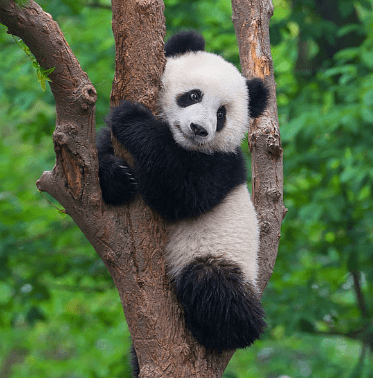
Numerous attempts to reintroduce species back into the wild have failed. For example, during China’s reintroduction program, which started in 2006, eight pandas were released from captivity. Of those eight pandas, three died in the wild. Xiang Xiang was one of the pandas to die. According to National Geographic, Xiang Xiang was officially the first panda released into the wild. One year after his release, his body was found researchers discovered that a fall after a fight with other male pandas was the most probable cause of his death. Attempts like this have found it hard to reintroduce animals due to problems like habitat loss and lack of planning. People who oppose reintroducing animals often use these attempts as evidence that reintroduction is a bad idea.
However, some people agree with animal reintroduction, including animal activists. They believe reintroduction could offer hope to the animals that are at risk of extinction by restoring shrinking populations and the revival of ecosystems that have been destroyed by humans. They argue that restoring species to their natural habitats can help balance ecosystems once again and promote biodiversity. They emphasise the importance of preserving species and ecosystems for future generations to come.
Britain has had several restoration success stories, with species at risk of making comebacks through reintroduction programs. People who agree with the reintroduction of animals use these successful reintroduction stories to show the great effect of restoring species. Examples include the recovery of the red kite population and the increasing numbers of red squirrels and many other species.
Reintroducing animals can have both positive and negative impacts on the ecosystem. When done well, it may help revive species that are at risk, improve biodiversity in an environment, and restore the natural relationship of animals in the same habitat. However, if it is not carefully planned, it may also cause conflicts with people and may disrupt environments that have changed since the animals have been there.
The controversy around the topic of animal reintroduction in the UK often comes from varying perspectives on issues of ecological damage and extinction. Ultimately, the government should keep people informed about the reintroduction of animals in the UK, so people may understand the very complicated factors of reintroducing animals.


 Joshua Aspiring Journalist
Leave a comment